7-Day Utah National Parks Road Trip Itinerary + Interactive Map
Planning to visit all five Utah national parks in one week? It’s possible, but it’s a fast-paced, nonstop itinerary. This guide shows you how to efficiently route the parks so you can see all five in 7 days without wasting time or missing key highlights.


All photographs are © Roaming the Southwest unless otherwise stated. Unauthorized reproduction or use is prohibited.
Planning a 7-day Utah National Parks road trip and wondering if you can realistically visit all five parks in one week?
I won't sugarcoat it. You absolutely can visit all five of Utah's Mighty Five National Parks in seven days, but it's going to be a busy week. This itinerary takes you from Las Vegas to Salt Lake City, visiting Zion, Bryce Canyon, Capitol Reef, Arches, and Canyonlands along the way.
After more than 10 years exploring the Southwest, one of the biggest mistakes I see visitors make is trying to squeeze too much into too little time. Between driving, hiking, and sightseeing, those seven days disappear quickly, especially when daylight hours are shorter.
I've put together this itinerary to minimize backtracking while including all five national parks, Utah's incredible scenic drives, and a few of my favorite stops along the way.
If this is your first trip to Southern Utah, I recommend reading my Southern Utah Travel Guide for First-Time Visitors and Common Mistakes First-Time Visitors Make in Southern Utah before finalizing your plans.
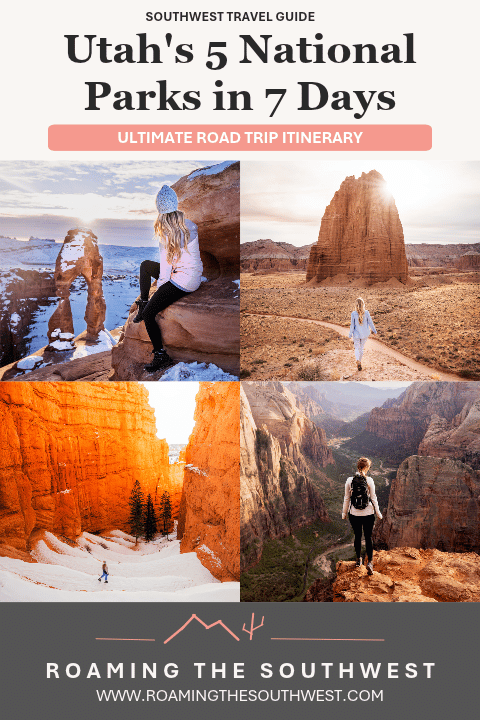
Can't Read Now? Pin for Later!
7-Day Utah National Parks Itinerary Overview
This road trip starts in Las Vegas and ends in Salt Lake City, visiting all five of Utah's Mighty Five National Parks. Here's a quick breakdown of each day, approximate driving times, and where to stay along the way.
Drive times are approximate and do not include hiking, sightseeing, or optional detours. Plan additional time for stops along Scenic Highway 12 and around Moab.
Is Seven Days Enough to Visit Utah's Mighty Five?
Seven days is enough to experience the highlights of all five national parks, but you're going to have to prioritize your hikes and sightseeing stops. This isn't an itinerary where you'll have time to do everything, and I wouldn't recommend trying.
If you can stretch your trip to 10 days, I HIGHLY recommend it. You'll have more time to explore each park, take a few detours, and enjoy some of the places outside the national parks that make Southern Utah so special.
If you're still deciding which direction to travel or where to start and end your trip, I also recommend reading my Best Route to Visit Utah's Mighty Five National Parks article before booking your flights.
Planning Your 7-Day Utah National Parks Road Trip from Las Vegas to Salt Lake City
Before hitting the road, there are a few things you'll want to consider when planning your trip. Visiting all five national parks in seven days is absolutely doable, but choosing the right time of year, airports, and route can make a HUGE difference in your experience.
Best Time to Visit Utah's Mighty Five
For this particular itinerary, I recommend visiting from spring through early fall when daylight hours are longer, giving you more time to explore each day. For a more detailed breakdown of seasonal weather, crowds, and what to expect throughout the year, check out my Best Time to Visit Southern Utah guide.
Spring and fall generally offer more comfortable hiking temperatures, although weather can vary significantly between parks. Bryce Canyon sits at a much higher elevation than Zion, so don't be surprised if you're wearing shorts in one park and a winter jacket in another!
Summer gives you the longest days, but temperatures in Zion, Capitol Reef, and Moab can easily exceed 100°F. You'll need to plan strenuous hikes around the heat and be especially mindful of afternoon thunderstorms and flash flooding.
Winter is absolutely an option for visiting Southern Utah, but I personally wouldn't recommend this exact seven-day itinerary during the shortest days of the year. Snow and icy conditions can affect Bryce Canyon, Scenic Highway 12, and some hiking trails, while shorter daylight hours leave you with less time to explore.
If you're planning a winter trip, I'd recommend splitting Southern Utah into two separate vacations instead:
- Trip 1: Zion, Bryce Canyon, Kanab, and Page
- Trip 2: Capitol Reef, Arches, Canyonlands, and Hanksville
That gives you more time to explore without spending most of your limited daylight driving between destinations.
Where to Fly and Rent a Car
For this itinerary, I recommend flying into Las Vegas (LAS) and departing from Salt Lake City (SLC). This allows you to visit all five national parks without having to backtrack to your starting point.
You'll need a rental car for the entire trip, and I recommend booking one as soon as you've finalized your travel dates. Just be aware that returning your rental car to a different airport can come with additional fees.
Another option worth considering is flying home from Grand Junction, Colorado (GJT). Grand Junction is only about 1.5–2 hours from Moab, compared to approximately four hours to Salt Lake City.
However, Grand Junction is a smaller regional airport, so flights may be more expensive and have fewer options.
You won't need a 4WD vehicle for the main itinerary, but if you're planning to explore more remote areas or access trailheads on rough dirt roads, you'll want to research road conditions and rental car restrictions beforehand.
- Compare Flights to Las Vegas
- Find Rental Cars for Your Utah Road Trip – Be sure to select Salt Lake City (SLC) as your drop-off location unless you're planning to return to Las Vegas. Keep in mind that one-way rentals may have additional fees.
Looking for an RV for your next adventure?

Where to Stay on a 7-Day Utah National Parks Road Trip
For this 7-day Utah national parks road trip, I recommend four overnight bases: Springdale, Bryce Canyon City, Torrey, and Moab. This keeps you close to Utah's Mighty 5 while minimizing unnecessary backtracking. After six nights on the road, you'll return to Salt Lake City on Day 7.
My tip: Stay in Springdale if your budget allows, since it's right outside Zion's entrance. For Capitol Reef, I recommend Torrey for its proximity to the park. Moab makes the best base for exploring both Arches and Canyonlands before returning to Salt Lake City on Day 7.
National Park Entrance Fees and Reservations
Since you'll be visiting all five of Utah's national parks, I highly recommend looking into the America the Beautiful Pass before purchasing individual entrance passes.
Depending on your residency status and the parks you're visiting, an annual pass may save you money.
I break down current entrance fees, annual pass options, and what you need to know before visiting in my U.S. National Park Fees Guide.
You'll also want to check whether any of your planned activities require advance reservations or permits. These requirements can change from year to year, so don't assume that because you visited a park previously, the rules are still the same.
For example, Angels Landing in Zion requires a permit to hike the chains section, and you'll want to check current entry requirements for Arches National Park before your visit.
You can also read my Southern Utah Hikes Requiring Permits guide before finalizing your hiking plans.
How Much Driving Should You Expect?
This itinerary includes several days with approximately 2–4 hours of driving, and that's BEFORE accounting for hikes, scenic overlooks, meals, and other stops.
And trust me, you're going to stop A LOT.
One of the biggest mistakes I see people make when planning Southwest road trips is underestimating how long it takes to get between destinations, especially when you factor in national park traffic, parking, and all the places you'll inevitably want to stop along the way.
Don't plan your days based solely on what Google Maps tells you. Build in extra time, prioritize the things you really want to see, and don't be afraid to skip something if you're running behind.
I'd much rather you enjoy a few places than spend your entire vacation rushing to check everything off a list.
Day 1: Las Vegas to Zion National Park
Drive Time: Approximately 2.5–3 hours, excluding stops
Where to Stay: Springdale, Hurricane, or La Verkin
After landing in Las Vegas, head toward Zion National Park, your first stop on this Utah National Parks road trip!
Depending on when your flight arrives, you may have time for a few stops along the way or an afternoon exploring Zion. Just remember that you'll lose an hour crossing from Nevada into Utah due to the time zone change.
Optional Stop: Valley of Fire State Park
If you have extra time, I highly recommend stopping at Valley of Fire State Park, about 45 minutes northeast of Las Vegas. It's one of my favorite state parks in Nevada and a great introduction to the Southwest's incredible red rock landscapes.
However, many of the park's popular hiking trails close seasonally from May through September due to extreme heat. If you're visiting during those months, I'd skip the detour unless you have plenty of extra time.
Outside the seasonal closures, my favorite hikes include the Fire Wave and White Domes Loop. If you're short on time, a scenic drive along Mouse's Tank Road is another option.
Best Things to Do in Zion on Day 1
Depending on your arrival time, I'd choose one of these options rather than trying to squeeze everything into your first afternoon.
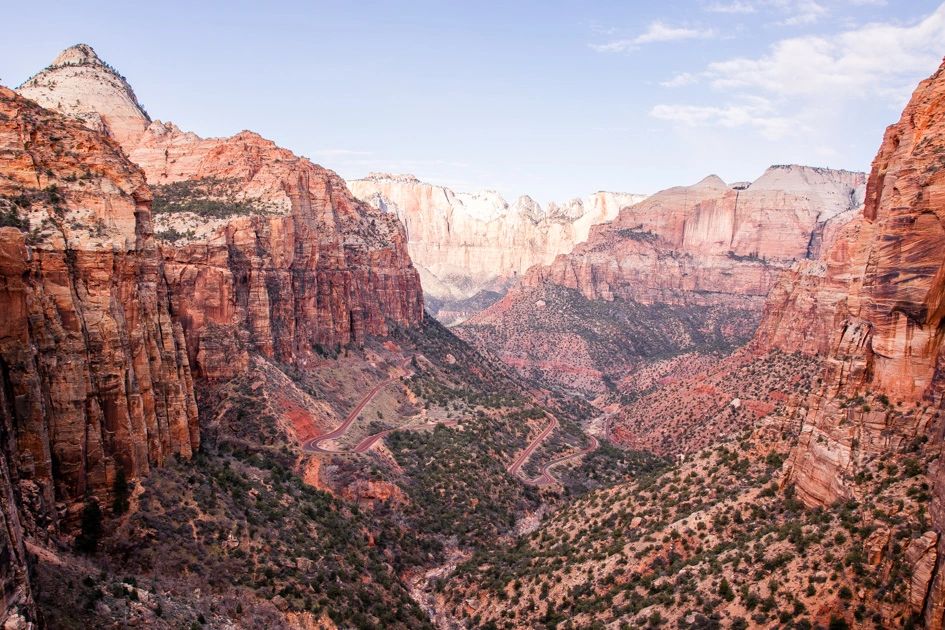
- Canyon Overlook Trail: My top recommendation! This relatively short hike offers one of the most incredible views in Zion. Parking is extremely limited, so you may need to wait for a spot.
- Pa'rus Trail: A paved, accessible trail along the Virgin River with beautiful views of Zion's towering sandstone cliffs.
- Watchman Viewpoints: If you're arriving closer to sunset, enjoy the views of the Watchman near the Virgin River without committing to a longer hike.
If you only have time for one hike, Canyon Overlook is my pick. It's a relatively small time commitment for an incredible introduction to Zion.
Where to Stay Near Zion National Park
I recommend staying in Springdale if your budget allows. You'll be right outside Zion's main entrance, making it much easier to get an early start the following morning.
Hurricane and La Verkin are good alternatives if you're looking for accommodations farther from the park, but you'll need to account for the additional drive into Zion.
Get some rest because tomorrow is a full day exploring one of Utah's most popular national parks!
Day 2: Zion National Park (Full Day)
Today is all about exploring Zion National Park! You're going to want to get an early start, trust me on this one. Zion is one of the busiest national parks in Utah, and parking at the Visitor Center can fill up early, especially during peak season.
During shuttle season, private vehicles generally aren't allowed along Zion Canyon Scenic Drive, so you'll need to use the park's free shuttle to access many of the most popular trailheads.
I recommend choosing one major hike for the day rather than trying to squeeze in everything. Zion is absolutely a park where you could spend several days exploring, but with only one full day, you'll need to prioritize.
For more detailed planning information, check out my Zion National Park Travel Guide.
Best Hikes in Zion National Park
- The Narrows: One of the most recognizable hikes in Zion National Park, where you'll hike directly through the Virgin River with canyon walls towering hundreds of feet above you. Depending on the time of year, the water can be extremely cold, so you may want to rent canyoneering boots, neoprene socks, and waders. I recommend Zion Guru for gear rentals. You'll need to take the Zion shuttle to the last stop and walk the Riverside Walk to reach the river. You can hike as far as you'd like before turning around, but always check river conditions and flash flood risks before heading out.
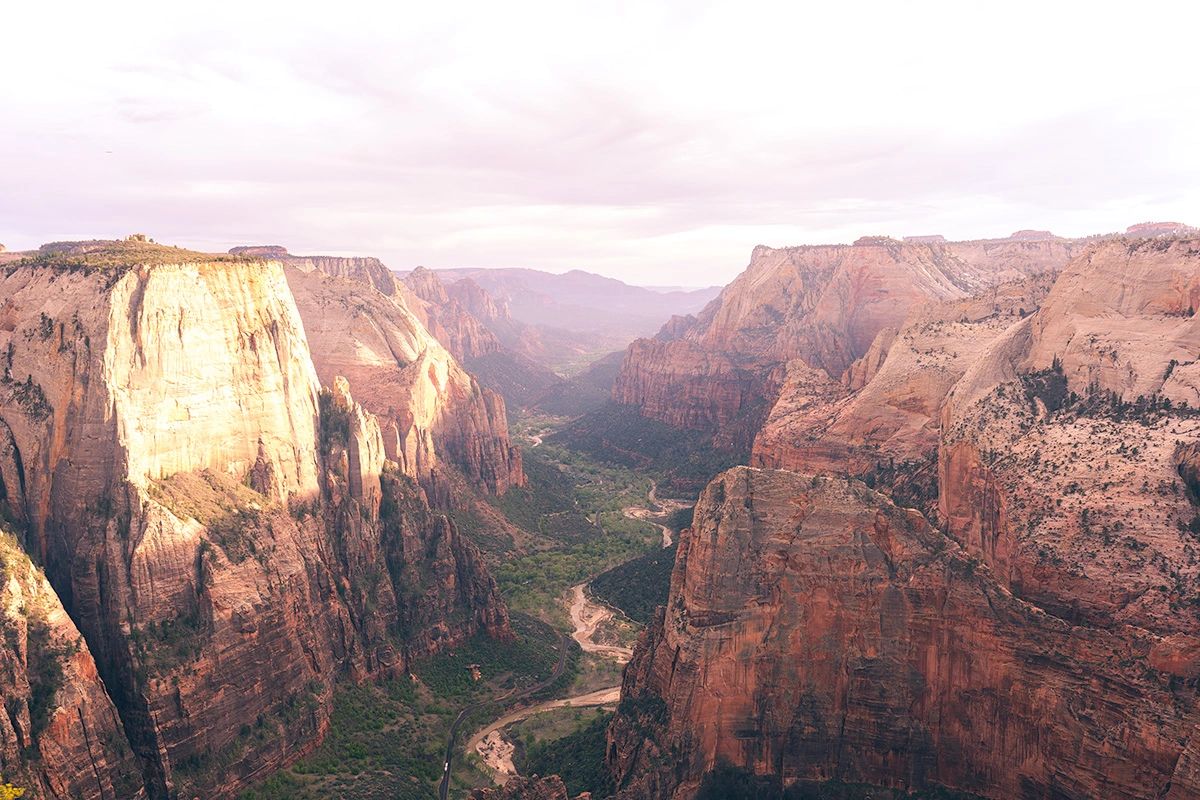
- Observation Point via East Mesa Trail: One of my favorite views in Zion! The overlook sits high above Zion Canyon, looking down toward Angels Landing. The hike is approximately 7 miles round-trip, but accessing the East Mesa Trailhead requires a separate drive outside the main canyon. The final road is rough, and a high-clearance 4WD vehicle is recommended. If you're visiting in a rental car, I recommend booking the East Zion Adventures shuttle from Zion Ponderosa Ranch Resort instead. If using the shuttle, the hike will be closer to 8 miles round trip, as it stops about half a mile before the trailhead.
- Angels Landing: One of Zion's most famous and challenging hikes, featuring steep drop-offs and exposed chains. A permit is required to hike beyond Scout Lookout onto Angels Landing, and you'll need to apply in advance or through the day-before lottery. You cannot simply show up and hike the chains section without a permit. Read my Southern Utah Hikes Requiring Permits guide for details.
Explore Zion With a Local Guide (Save 10%)
If you'd rather explore Zion with a local guide, check out Explore Zion Tours. Their guides go beyond just getting you from point A to point B, sharing the geology, wildlife, and history that make Zion such an incredible place.
They offer guided hikes to Angels Landing (including permits when available), The Narrows, half-day highlights tours, and even completely customized experiences based on what you want to see.
Use code MALLORY10 to save 10%
Explore Zion Guided Tours →Important Tips for Visiting Zion
- Arrive early: I recommend aiming to park at the Visitor Center before 8 AM during busy periods, although even that doesn't guarantee a parking space.
- Plan around the shuttle: The Narrows and Angels Landing are accessed from shuttle stops during shuttle season. Observation Point via East Mesa requires a separate drive and cannot be reached using the Zion Canyon shuttle.
- Be prepared for the heat: Summer temperatures in Zion Canyon can exceed 100°F. Bring plenty of water and avoid strenuous hiking during the hottest part of the day.
- Check trail conditions: Flash flooding, rockfalls, snow, and seasonal closures can affect hiking plans. Always check current National Park Service alerts before heading out.
- Know which hikes require permits: Angels Landing requires a permit for the chains section, while a typical bottom-up day hike into The Narrows does not.
Zion requires planning on your part if you want to have the best experience. Between shuttle schedules, parking, permits, and trail conditions, a little planning goes a long way.
If you only have one full day, choose the hike you're most excited about and build the rest of your day around it. You don't need to do everything to have an incredible experience!
Day 3: Zion to Bryce Canyon National Park
Drive Time: Approximately 2 hours
Where to Stay: Bryce Canyon City, Tropic, or Panguitch
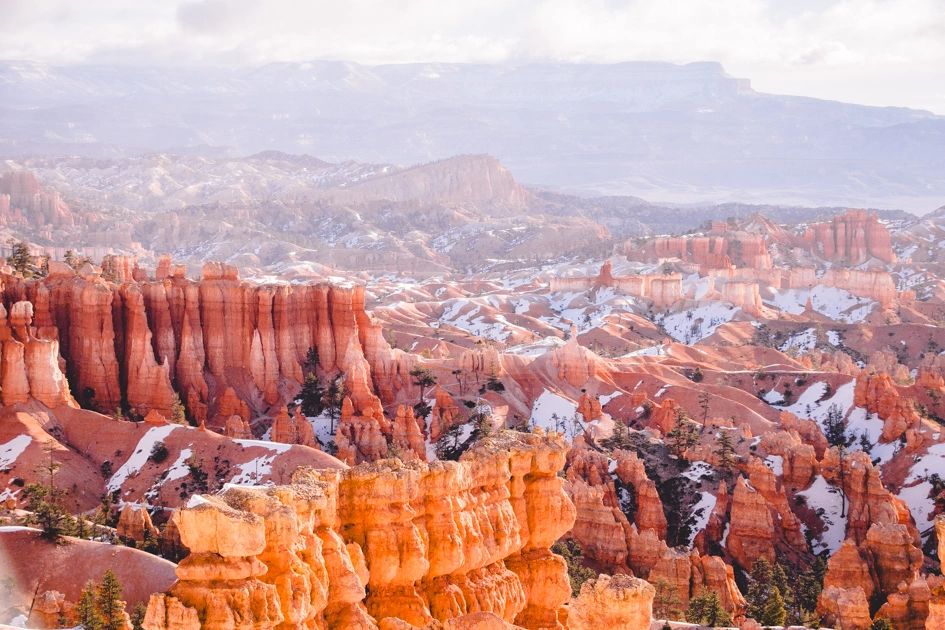
Today, you'll head from Zion to Bryce Canyon National Park, known for its incredible hoodoo formations and a landscape unlike anything you've seen so far on this road trip.
While Bryce Canyon is much smaller than Zion, don't underestimate how much there is to see here! You can visit several of the park's most popular viewpoints and still have time for a hike into the hoodoos.
For more information on the best hikes, scenic overlooks, photography locations, and planning tips, check out my Bryce Canyon National Park Travel Guide.
Best Things to Do in Bryce Canyon National Park
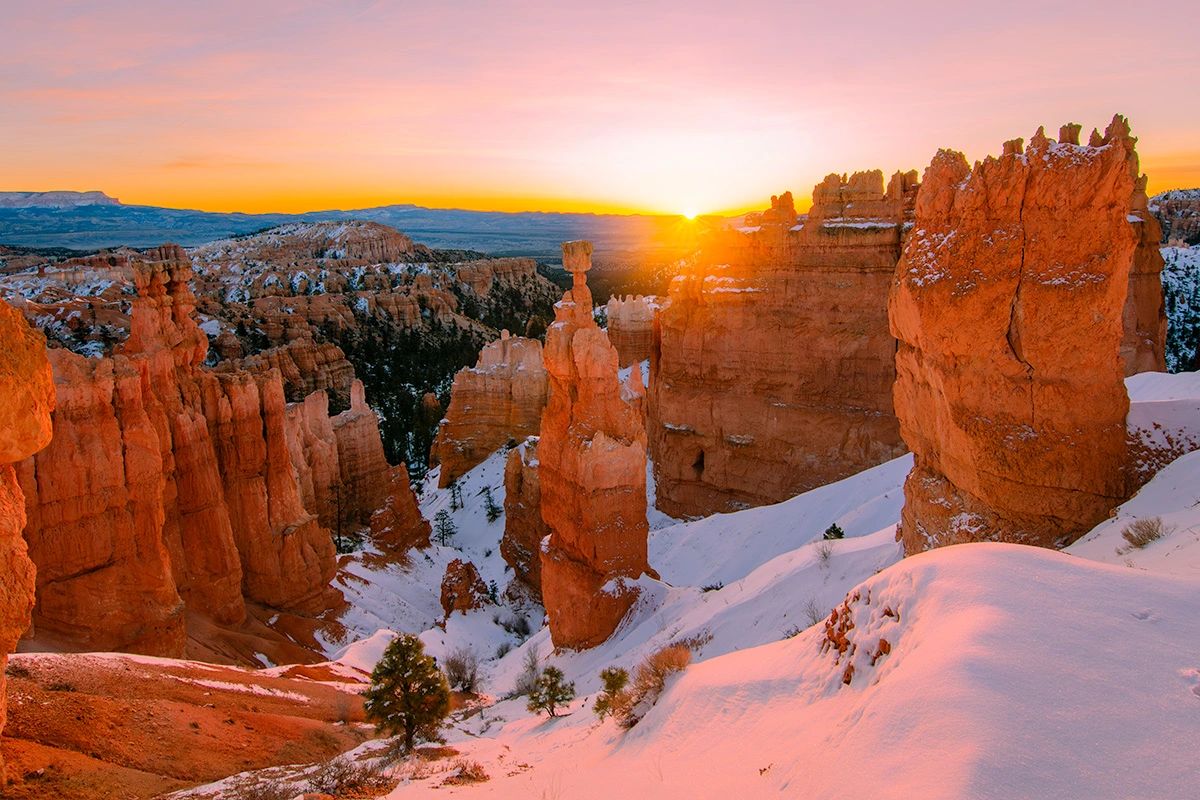
- Sunrise Point: One of the best places to take in the hoodoos, especially in the early morning light.
- Sunset Point: Another must-see overlook with incredible views of Bryce Amphitheater and Thor's Hammer.
- Inspiration Point: One of my favorite overlooks for seeing just how expansive Bryce Canyon really is. The layers upon layers of hoodoos are incredible from here.
- Queen's Garden/Navajo Loop: My favorite hike in Bryce Canyon! This approximately 3-mile loop takes you down into the hoodoos rather than just viewing them from above. I personally prefer starting at Sunrise Point via Queen's Garden and finishing at Sunset Point so you're hiking UP the steep switchbacks rather than down. I find this easier on my knees and less likely to slip. If you only have time for one hike, this is my recommendation.
- Mossy Cave Trail: Another short hike located along Highway 12, outside the main entrance to Bryce Canyon. There's a small waterfall along the trail that's worth seeing, although water flow varies throughout the year. You can also visit the mossy grotto that gives the trail its name.
What to Know Before Visiting Bryce Canyon
One thing that catches many first-time visitors off guard is just how much higher Bryce Canyon sits compared to Zion. Much of the park is above 8,000 feet in elevation, which means:
- Temperatures are considerably cooler than Zion, even during summer.
- Afternoon thunderstorms are common during the summer months, so pay attention to the weather, especially if you're hiking below the rim.
- You may notice yourself getting out of breath much faster than usual. Take your time, stay hydrated, and be mindful of altitude sickness symptoms.
I also recommend bringing an extra layer, even if you're visiting during summer. Bryce Canyon can be surprisingly cold in the morning and evening!
If you have time, stick around for sunset or get up early for sunrise the following morning. The hoodoos are especially beautiful when the low-angle sunlight hits the orange sandstone.
Where to Stay Near Bryce Canyon National Park
If you're following this itinerary, I recommend staying in Bryce Canyon City, Tropic, or Cannonville. All three are convenient options for exploring Bryce Canyon before continuing toward Capitol Reef the following day.
Here are a few places I've personally stayed and recommend:
- Ruby's Inn in Bryce Canyon City: Hands down, one of my favorite places to stay AND eat near Bryce Canyon. I seriously crave their salad bar, and if we're even remotely close to Bryce, we'll make a detour just to eat here. It's also conveniently located just outside the national park entrance.
- Bryce Canyon Log Cabins / Happy Trails in Tropic: When staying in Tropic, this is usually where I stay. Tropic is a great alternative to Bryce Canyon City, with easy access to the park and a quieter small-town setting.
- Clear Sky Resorts in Cannonville: If you're looking for something a little different, check out Clear Sky Resorts, where you can stay in your own stargazing dome! I've stayed here before, and it's such a unique alternative to a traditional hotel. You can watch my video of our stay here.
Day 4: Bryce Canyon to Capitol Reef National Park via Scenic Highway 12
Drive Time: Approximately 3–4 hours without stops
Where to Stay: Torrey or Hanksville
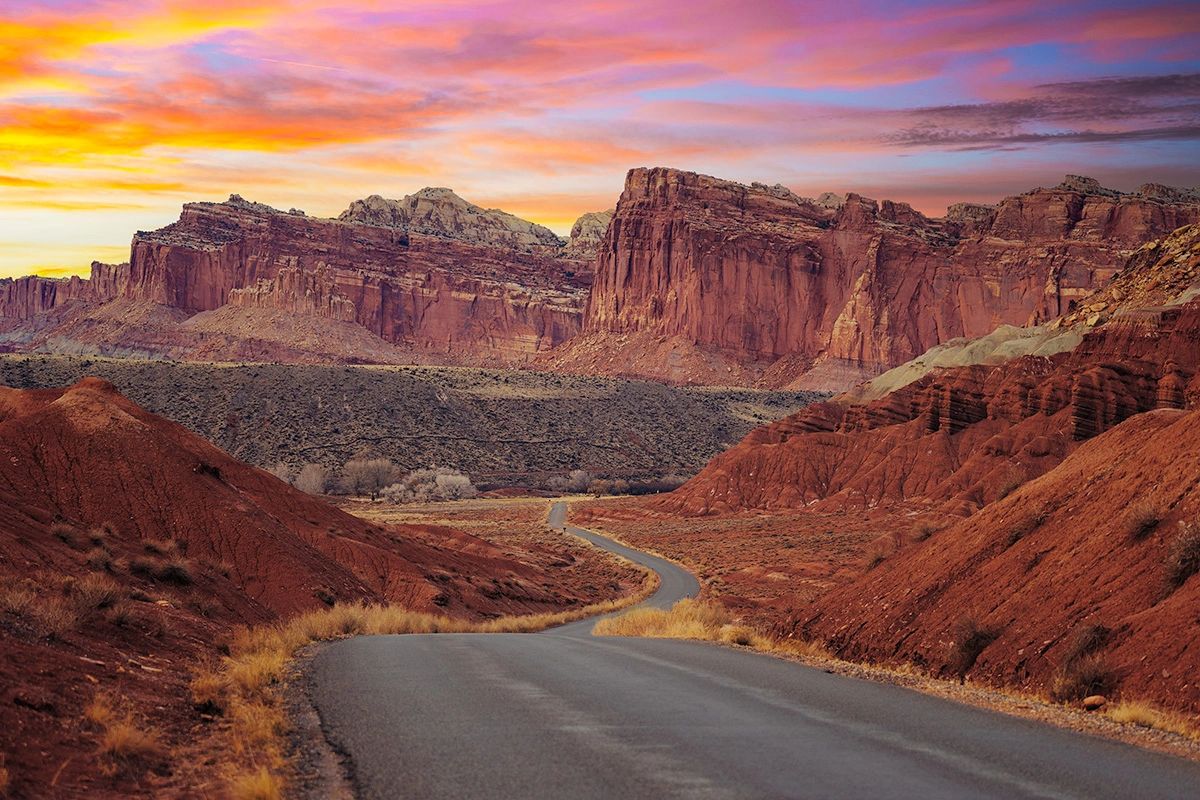
Today, you'll drive one of my favorite stretches of highway in the entire Southwest, Utah's Scenic Byway 12.
And whatever you do, don't blindly follow Google Maps! Depending on your destination, it may suggest a faster route that completely skips what I consider the best stretch of highway in Utah.
Make sure you stay on Highway 12, traveling through Tropic, Cannonville, Escalante, Boulder, and eventually Torrey.
I'd recommend allowing at least 5–6 hours for this drive because you're going to want to stop along the way. Between the views around Escalante, the famous Hogback section of Highway 12, and the drive over Boulder Mountain, this is not a stretch of road I'd recommend rushing.
Don't Miss: Hell's Backbone Grill & Farm in Boulder
If they're open during your visit, you absolutely need to stop at Hell's Backbone Grill & Farm in Boulder.
One of the owners and chefs, Blake, is a dear personal friend, and beyond being an incredible human, she makes some of the best food I've ever had. Seriously, I cannot recommend this place enough and it's probably my favorite restaurant in Southern Utah.
And the black pepper biscuits? TO DIE FOR.
Just make sure to check their seasonal operating dates and hours before planning your stop, as they're not open year-round.
Things to Do in Capitol Reef National Park
Once you arrive in Capitol Reef, you'll quickly see why I think this is one of Utah's most underrated national parks.
The park is home to the Waterpocket Fold, a nearly 100-mile-long wrinkle in the Earth's crust, along with historic orchards, petroglyphs, and some great hiking trails.
Depending on how much time you spend along Highway 12, here are a few things I'd recommend:
- Capitol Reef Scenic Drive: Take the scenic drive through the park for views of the towering sandstone cliffs and colorful rock formations. Allow extra time if you plan to explore any of the dirt-road spurs.
- Fremont Petroglyphs: An easy roadside stop along Highway 24 where you can see petroglyphs left by the Fremont culture. There's a short boardwalk with viewing areas.
- Hickman Bridge: A moderate hike of approximately 1.8 miles round-trip to a massive natural bridge. This is a great option if you only have time for one hike.
- Cassidy Arch: A more strenuous hike of approximately 3.4 miles round-trip with views over the Waterpocket Fold. If you're looking for something more challenging, this is a great alternative to Hickman Bridge.
- Capitol Gorge and Pioneer Register: Walk through a narrow canyon to see historic inscriptions left by travelers passing through the area in the 1800s. Access requires driving an unpaved road, so check current conditions before heading out.
- Fruita Historic District: One of my favorite areas of the park! Depending on the season, you can pick fruit from the historic orchards when they're open for harvesting. And whatever you do, stop at Gifford Homestead for a pie. My personal favorite is the strawberry rhubarb.
For more detailed planning information, check out my Capitol Reef National Park Travel Guide
Where to Stay Near Capitol Reef National Park
For this itinerary, I recommend staying in Torrey, which is located just outside Capitol Reef National Park and has several hotels, cabins, and restaurants.
Hanksville is another option, particularly if you'd rather get a head start on the drive toward Moab the following morning. Just keep in mind that Hanksville is farther from the main Fruita area of Capitol Reef, so you'll have more driving if you want to return to the park.
Day 5: Capitol Reef to Moab (via Hanksville)
Drive Time: Approximately 2.5 hours from Torrey or 1.75 hours from Hanksville, without detours
Where to Stay: Moab (your base for the next two nights)
Today, you'll head toward Moab, home to Arches and Canyonlands National Parks. But before you get there, I recommend spending some time exploring the area around Hanksville, Utah.
With a population of only a few hundred people, you've probably never even heard of Hanksville, but it's one of my favorite little adventure towns in Utah. There is SO much to explore in this area, and I honestly think it deserves a trip of its own.
Morning: Explore Around Hanksville
Depending on how early you get started and how much hiking you want to do, here are a few of my favorite stops:
- Goblin Valley State Park: One of Utah's most unique state parks, filled with thousands of mushroom-shaped sandstone formations called goblins. Unlike most national parks, you're actually allowed to wander freely among the formations, which makes it especially fun to explore.
- Little Wild Horse Canyon: If you're up for a slot canyon hike, this is a great option near Goblin Valley. You can hike into the canyon as far as you'd like before turning around, or complete the longer loop with Bell Canyon. Always check the weather before entering any slot canyon because flash flooding is a serious risk, even when it's not raining directly overhead.
- Wild Horse Window: Another option near Goblin Valley if you're looking for something a little different. This hike leads to a massive natural opening in the sandstone with views of the surrounding desert.
You probably won't have time to do all three and still spend the afternoon in Arches, so I'd prioritize Goblin Valley and choose one additional hike if time allows.
Afternoon: Explore Arches National Park
Once you arrive in Moab, head into Arches National Park for the afternoon.
Arches is home to more than 2,000 documented natural sandstone arches, and fortunately, several of the park's most recognizable formations are accessible with relatively short walks.
Here are the stops I'd prioritize:
- Park Avenue: One of the first major viewpoints after entering the park, with towering sandstone walls that resemble a city skyline. You can enjoy the views from the overlook or hike down into the canyon.
- Balanced Rock: An easy roadside stop featuring a massive sandstone boulder balanced on a narrow pedestal.
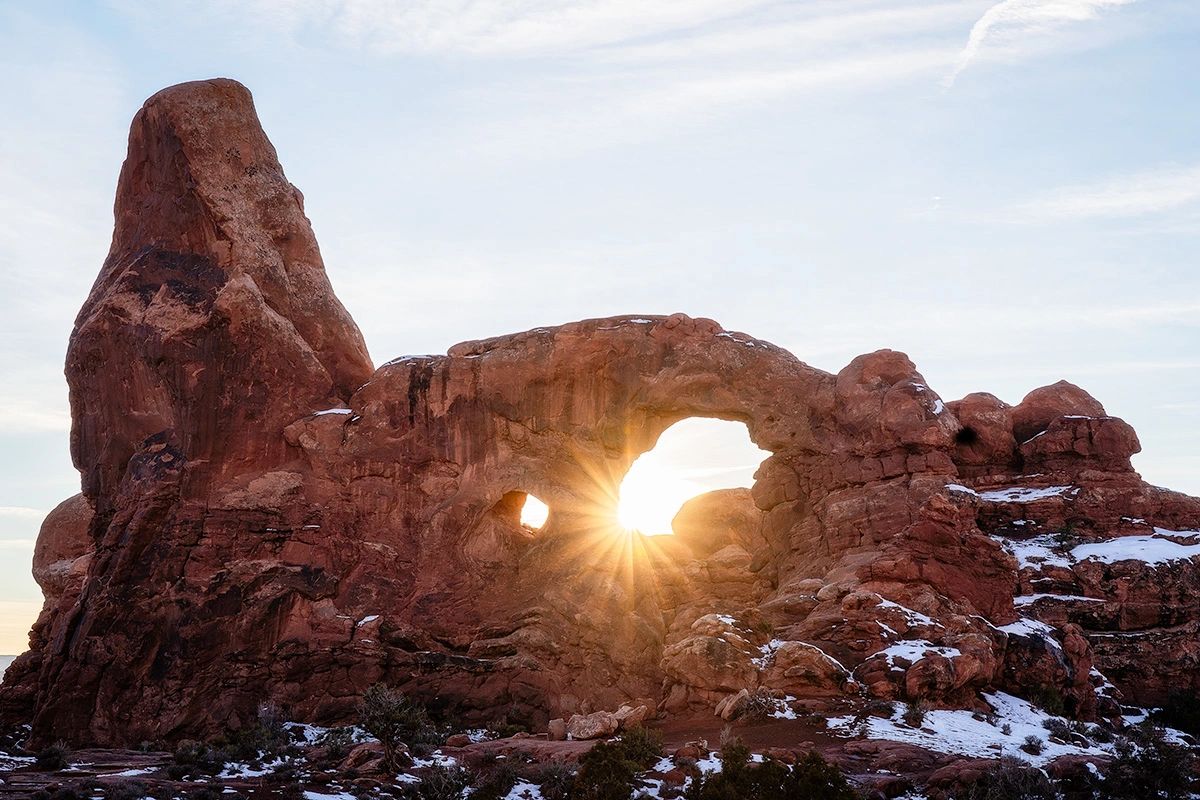
- Windows Section: One of my favorite areas of Arches because you can see several formations without having to drive between trailheads. Don't miss Double Arch, North Window, South Window, and Turret Arch.
Evening: Sunset at Delicate Arch
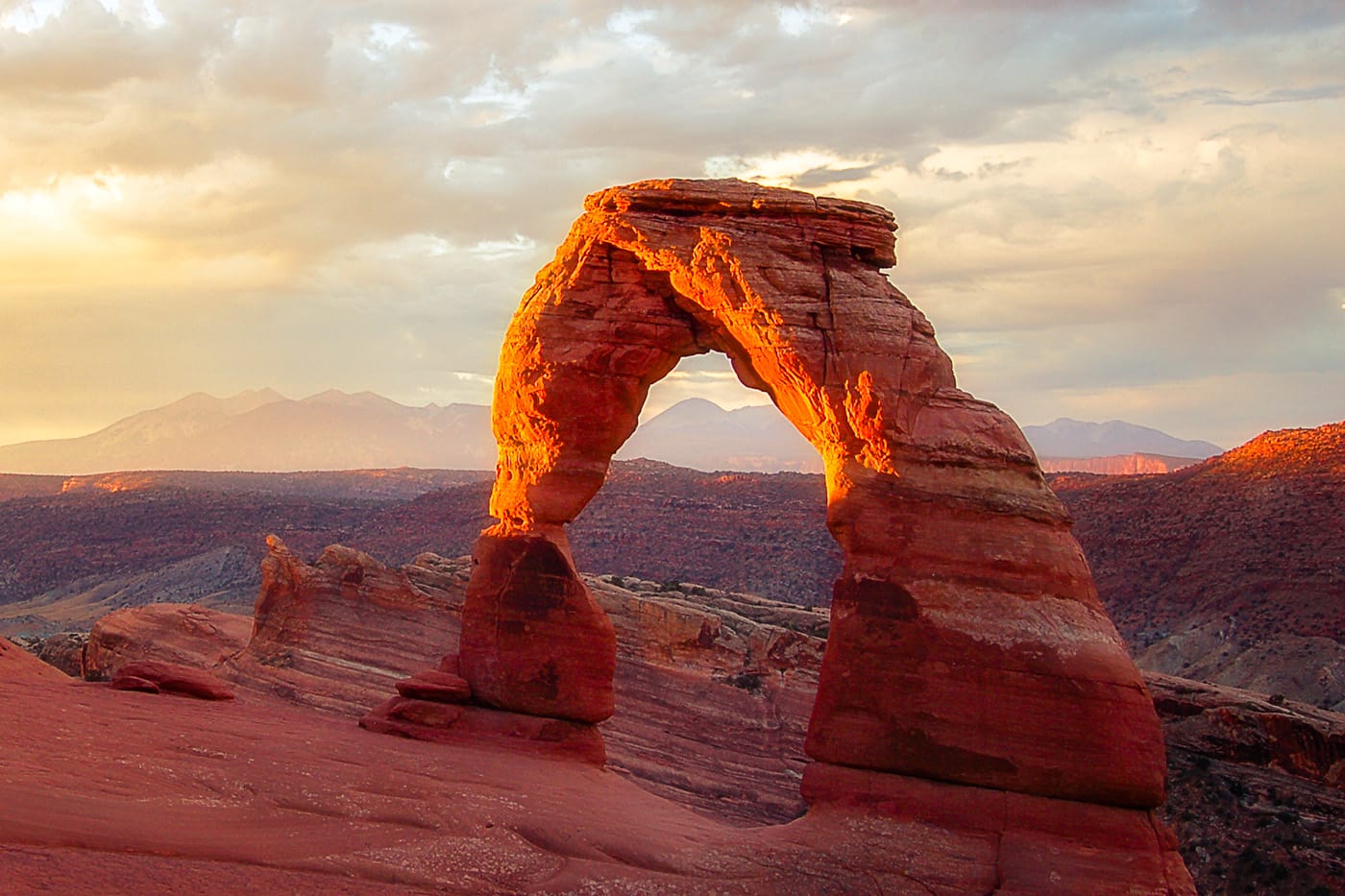
If you have enough daylight left, I'd recommend hiking to Delicate Arch for sunset.
The hike is approximately 3 miles round-trip with around 500 feet of elevation gain, and much of the trail is exposed slickrock. Bring plenty of water, especially during warmer months, and make sure you have a headlamp because you'll likely be hiking back after dark.
If you don't have enough time for Delicate Arch, don't stress! The Windows Section is another fantastic place to watch the sunset, and you can save Delicate Arch for the following day if your schedule allows.
Where to Stay in Moab
Moab will be your base for the next two nights, so I recommend booking both nights at the same accommodation rather than moving hotels.
Staying in Moab gives you convenient access to both Arches and Canyonlands National Parks, along with plenty of restaurants, grocery stores, and other amenities.
I'd recommend booking accommodations well in advance if you're visiting during spring or fall, especially on weekends, because Moab can get extremely busy during peak travel seasons.
Day 6: Canyonlands + Arches National Parks
Today, you'll explore the Island in the Sky district of Canyonlands National Park before heading back to Arches for the afternoon.
For more detailed planning information, check out my Arches National Park Travel Guide and Canyonlands National Park Travel Guide, where I cover entrance fees, hiking trails, photography locations, and practical tips for visiting each park.
Morning: Canyonlands National Park (Island in the Sky)
I recommend getting an early start, especially if you want to photograph sunrise at Mesa Arch.
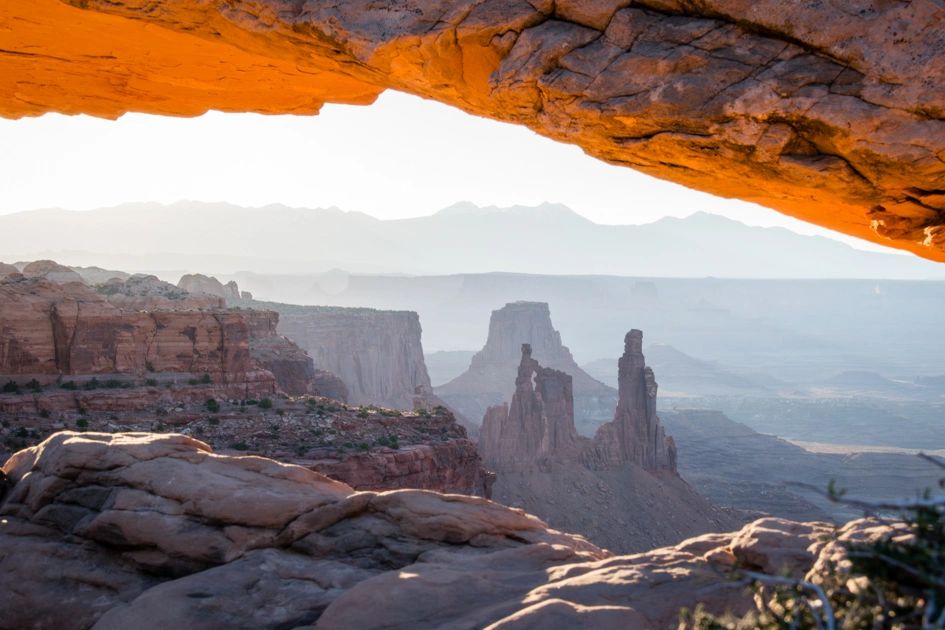
- Mesa Arch: One of the most recognizable sunrise photography locations in Utah! If you're a photographer, plan to arrive at least 45 minutes before sunrise to secure a spot. The trail is only about half a mile round-trip, but you'll want extra time to get set up before the sun comes over the horizon.
- Grand View Point: One of the best places to appreciate just how massive Canyonlands really is. You can enjoy the views from the overlook or hike approximately 2 miles round-trip along the rim for additional viewpoints.
- Green River Overlook: My favorite overlook in Canyonlands! The views of the Green River winding through the canyons below are hard to beat.
- Other Scenic Overlooks: Buck Canyon, Orange Cliffs, and Shafer Canyon are all worth stopping at if you have time. Most require very little walking, making them easy additions to your morning.
Lunch in Moab
After exploring Canyonlands, head back into Moab for lunch.
Two of my favorite places to eat are Moab Garage Co. and Sweet Cravings. You really can't go wrong with either!
Afternoon: Arches National Park
Spend the afternoon exploring more of Arches National Park. Depending on how much hiking you're up for, here are two areas I'd prioritize.
- Sand Dune Arch: One of my favorite easy hikes in Arches! The trail is short, and the arch is tucked between towering sandstone fins. It's also a great option during warmer months because portions of the trail are shaded. If you want to extend your hike, continue toward Broken Arch.
- Devil's Garden: This is where you'll find the largest concentration of arches along a single trail in the park. You can keep it relatively short or turn it into a much longer adventure, depending on how much time and energy you have left.
Hiking Options at Devil's Garden
- Landscape Arch: Approximately 1.9 miles round-trip and the easiest option. Landscape Arch is one of the longest natural arches in the world.
- Double O Arch: Approximately 4.1 miles round-trip. Along the way, you can also take short detours to see Partition Arch and Navajo Arch. Just know that the trail becomes significantly more challenging beyond Landscape Arch, with exposed slickrock and narrow sections.
- Devil's Garden Primitive Loop: Approximately 7.8–8 miles, depending on side trails. This is a strenuous hike with route-finding, scrambling, and exposed sections, but you'll have the opportunity to see several additional arches along the way.
If you're planning to hike the full primitive loop, I'd recommend starting earlier in the day rather than saving it for late afternoon, especially during warmer months.
For a shorter afternoon, Sand Dune Arch and the hike to Landscape Arch are both great options without committing to several hours on the trail.
Day 7: Moab to Salt Lake City
Drive Time: Approximately 4 hours to Salt Lake City or 1.5–2 hours to Grand Junction, Colorado
It's officially the last day of your Southern Utah road trip! Depending on your flight time, you may have time to squeeze in one more adventure before heading to the airport.
If you're flying out of Salt Lake City, plan for approximately four hours of driving from Moab, plus additional time for returning your rental car and getting through airport security.
Another option worth considering is flying out of Grand Junction, Colorado. It's only about 1.5–2 hours from Moab, making it a much shorter drive. However, Grand Junction is a regional airport, so flights can be more expensive and have fewer options than Salt Lake City.
Optional Morning Activities Near Moab
If you have a later flight or an extra few hours before hitting the road, here are two of my favorite ways to spend your last morning.
- Corona Arch: One of my favorite hikes near Moab, and one I think everyone should do at least once! The trail is approximately 2.5–3 miles round-trip and leads to a massive sandstone arch. There are a few steep sections, including a ladder and cables to help navigate the slickrock, so don't underestimate the hike just because it's relatively short.
- Dead Horse Point State Park: If you can fit in sunrise here, I HIGHLY recommend it. Dead Horse Point is easily one of my favorite state parks in Utah, and I'd argue it has some of the best views in the entire Moab area. You can enjoy the main overlook with very little walking, making it a great option if you're short on time.
If you have an early flight, I'd skip the morning activities and head straight to the airport. Neither of these stops is worth risking a missed flight!
And just like that, you've visited all five of Utah's national parks in seven days. Although I can almost guarantee you'll leave with a list of places you want to come back and explore!
7-Day Utah National Parks Itinerary FAQs
Can You Visit All Five Utah National Parks in Seven Days?
Yes! Seven days is enough to visit Zion, Bryce Canyon, Capitol Reef, Arches, and Canyonlands, but you'll need to prioritize your hikes and sightseeing. If you have 10 days, I'd recommend taking the extra time.
What Is the Best Route to Visit Utah's Mighty Five National Parks?
For a one-way road trip, I recommend starting in Las Vegas and visiting Zion, Bryce Canyon, Capitol Reef, Arches, and Canyonlands before finishing in Salt Lake City. This route minimizes backtracking and includes Utah's Scenic Highway 12.
For alternative routes, airport options, and planning tips, check out my Best Route to Visit Utah's Mighty Five National Parks guide.
Where Should You Fly to Visit Utah's Five National Parks?
For this itinerary, fly into Las Vegas (LAS) and out of Salt Lake City (SLC). Grand Junction (GJT) is another option for your departure airport, especially if you're finishing your trip in Moab.
Do You Need a 4WD Vehicle for a Utah National Parks Road Trip?
No. You can follow this entire seven-day itinerary in a standard rental car. However, some remote trailheads and unpaved roads require high clearance or 4WD, so always check road conditions and rental car restrictions before exploring.
What Is the Best Time of Year for a 7-Day Utah National Parks Road Trip?
I recommend spring or fall for more comfortable hiking temperatures. Late spring and early fall offer a good balance of daylight and weather, although Bryce Canyon can be significantly colder than Zion and Moab. Summer provides longer days but can be dangerously hot.
Final Thoughts
Southern Utah absolutely lives up to the hype, and I can almost guarantee you'll want to come back again and again. But with five national parks, long drives, permits, and plenty of places to explore along the way, a little extra planning goes a long way.
My biggest advice? Slow down, plan ahead, and start your days earlier than you think you need to. Don't try to squeeze everything into one trip because I promise there's always going to be more to see. You WILL want to come back.
And if planning all of this feels overwhelming, that's where I can help! I create 1:1 personalized itineraries based on what YOU want to see, your travel style, and how much time you actually have. I'll help you build a realistic route so you're not spending your entire vacation driving or rushing from one stop to the next.
Book Your Personalized Southern Utah Itinerary
Planning a Trip to Southern Utah?
I've spent more than 10 years exploring the Southwest, and I've put everything I'd actually recommend into my Southern Utah Travel Guide.
You'll find my favorite hikes, scenic drives, overlooks, and seven pre-built itineraries to help you plan your trip without second-guessing every stop.
Explore My Southern Utah Travel Guide